Grace to you and peace from God our Father and the Lord Jesus Christ, who gave himself for our sins to deliver us from the present evil age, according to the will of our God and Father, (Gal 1:3-4, ESV)
Gal 1:3-4
“Nature and revelation alike testify of God’s love. Our Father in heaven is the source of life, of wisdom, and of joy. Look at the wonderful and beautiful things of nature. Think of their marvelous adaptation to the needs and happiness, not only of man, but of all living creatures. The sunshine and the rain, that gladden and refresh the earth, the hills and seas and plains, all speak to us of the Creator’s love.” (by EGW, SC 9.1)
The beautiful testimony of nature is wonderfully magnified by the gift of revelation. Just as the rain falls to nourish the soil, God’s written Word, Creator’s written promises are designed to revive the human soul, giving a clearer voice to the abundant beauty around us. Scripture and nature harmonize perfectly, revealing that the same hand which carved the majestic mountains has also traced a path for our personal peace. For our eternal life. As the psalmist notes
“The heavens declare the glory of God; and the firmament shows His handiwork” (Psalm 19:1).
Every sunset is a promise of a new day at sunrise. The chance for a new start. Every sunrise becomes a visual reminder of His enduring mercy. Perfectly echoing the truths found within the pages of His Word.
This living testimony isn’t just a static backdrop for us; it is an active, speaking guide if we would pause to listen. Every rustling leaf, rushing stream, and changing season carries a rhythmic wisdom meant to ground our often-chaotic modern lives. When we are overwhelmed by the digital noise and anxieties of today, creation speaks a language of patience, steady growth, and resilience. Of “something new.” (Isa 43:19) Here, Isaiah pictures a new Exodus for a people once again oppressed, as the Israelites had been as slaves in Egypt before the Exodus. They would cry to God, and again he would hear and deliver them. A new Exodus would take place through a new wilderness. But the past miracles were nothing compared to what God wants to do for his people in the future.
Praise God! In the wilderness, where we can enjoy nature, we are reminded that seasons of darkness and winter are necessary prerequisites for a fruitful, beautiful spring. As the book of Job indicates, “But now ask the beasts, and they will teach you; and the birds of the air, and they will tell you; or speak to the earth, and it will teach you” (Job 12:7-8).
Job expands on this profound truth in nature by challenging those who misunderstand life’s storms, essentially saying:
“Why do you insist that the Almighty brought this disaster to punish me? Every single creature on land, in the air, and in the sea. Along with everything that happens to them is the work of His hands, and all of creation recognizes Him as the ultimate Creator and Ruler.
This is a basic truth that nature teaches everyone. But using this fact to judge me, claiming that I am suffering because I am a hypocrite, is completely out of line. God directs everything with perfect wisdom and power; but as for why things happen the way they do, and why good and bad circumstances are scattered so randomly throughout nature and human life, you are just as clueless as I am.”
By tuning our hearts to the nature’s commentary that surrounds us, we find practical direction for our daily lives. Learning when to let go, how to weather the storms of life, and how to quietly align ourselves with a deeper, divine pace.
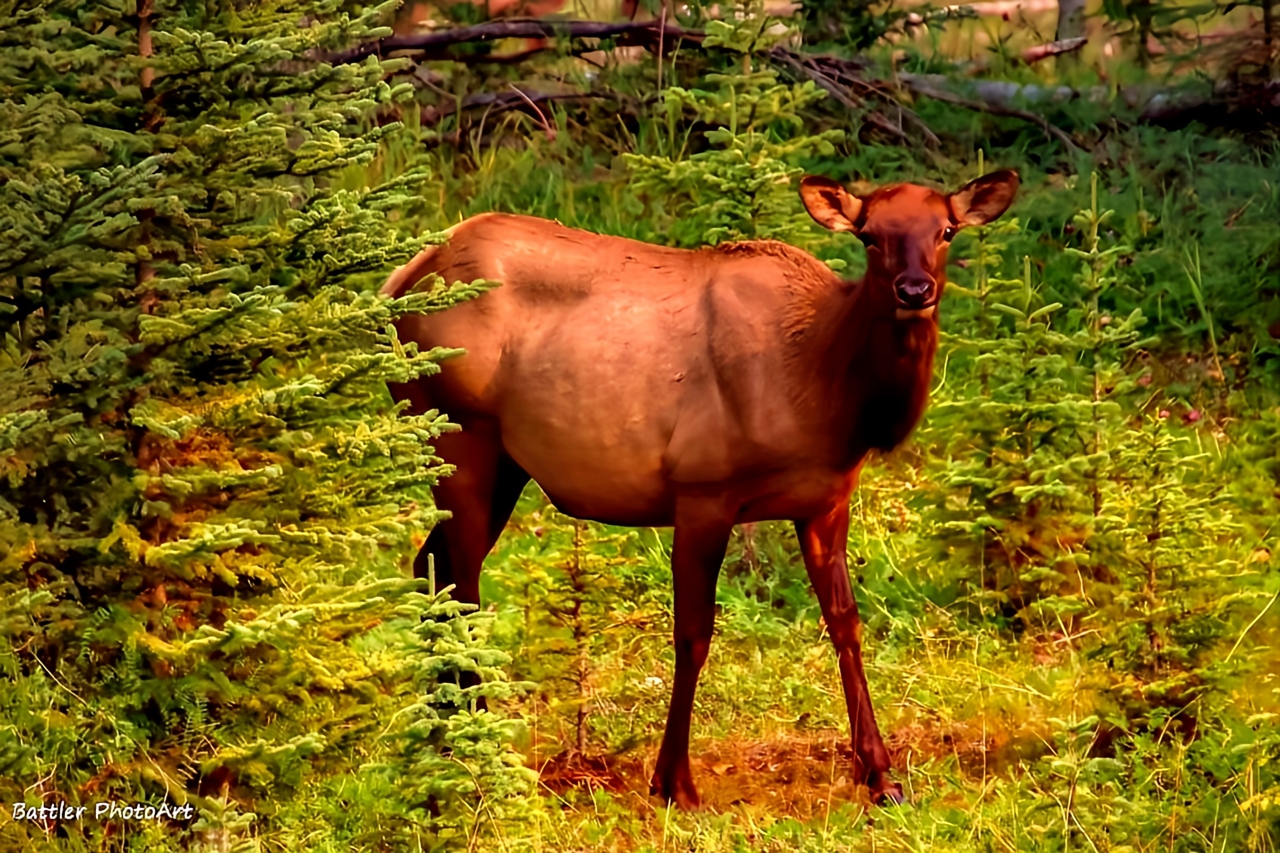
When we look closely at these natural teachers, their individual messages become stunningly clear. The delicate wildflowers blooming quietly on a hillside whisper of God’s intricate artistry, reminding us that our lives are beautiful and deeply seen by Him even when we feel unnoticed by the world.
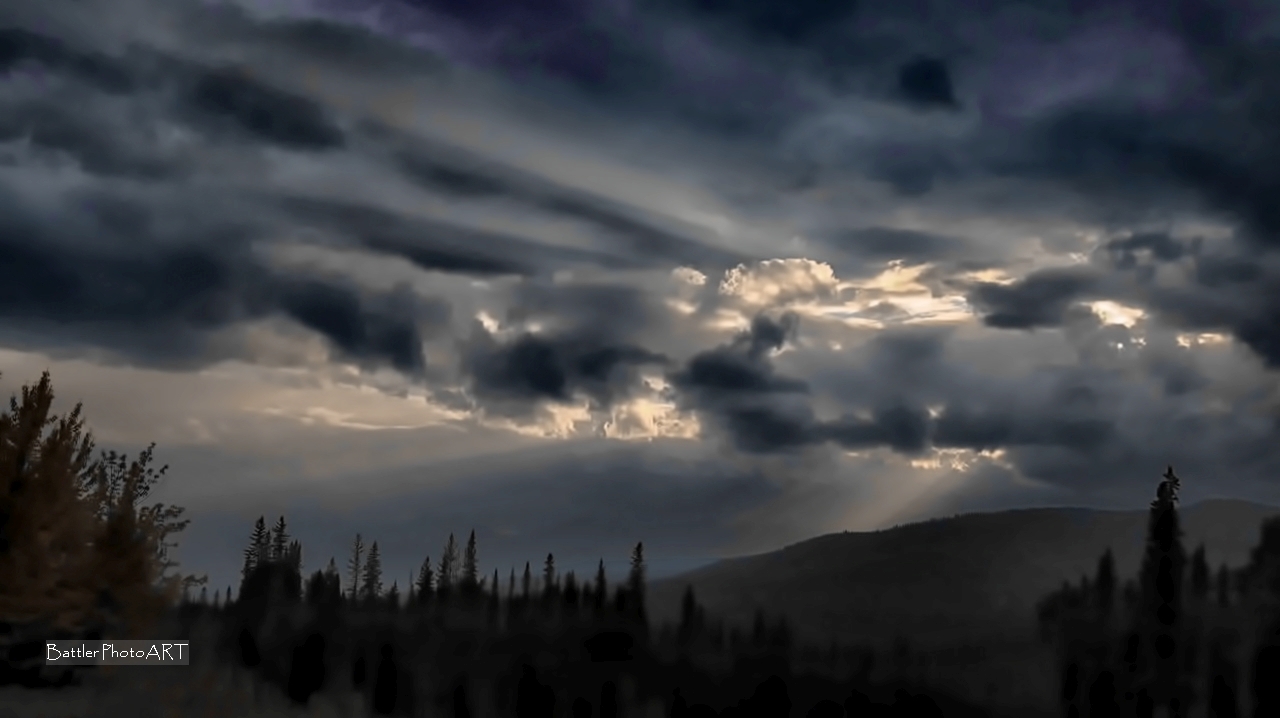
The shifting clouds above remind us that no matter how dark or heavy a trial may seem, there is always light woven directly into it. The sun never ceases to shine on the other side of the shadow, promising that the overcast seasons of our life are only temporary.
The ancient, deeply rooted trees standing firm against fierce winds call us to anchor our souls in truth, teaching us the quiet power of resilience and steady endurance in Christ.
To experience the natural world this way gives a profound, modern meaning to the prophetic promise that “the mountains and the hills shall break forth into singing before you, and all the trees of the field shall clap their hands” (Isaiah 55:12). Today, when the mountains “sing” or the trees “clap,” it means that when we walk in alignment with God’s peace, our perception of the world is completely transformed.
A landscape that once felt lonely, harsh, or indifferent suddenly becomes a sanctuary of praise. The roaring wind through a forest begins to sound like applause, cheering us onward, and the majestic silence of a mountain peak feels like a grand, reverent hymn. God’s beautiful creation show us how His joy is so expansive that it overflows into the very fabric of creation, and of humanity, inviting us to stop viewing ourselves as isolated travelers and instead see that in this life we may walk through a living house of worship that is actively supporting us.
I learned the depth of this firsthand during a very difficult, frightening chapter in my life. When my late wife was dying, escaping into the quiet sanctuary of nature became my literal therapy. Even in the dead of winter, when the world felt frozen, cold, and hopeless, I found an undeniable comfort in grounding myself against the earth. I would seek out a strong, steady tree with thick green moss cushioned beneath it. Even though there was snow in the rest of the forest. I would simply lie down there to sleep or pray for a while. I wonder, was this little sanctuary made just for me?
In those quiet moments, I made a conscious choice to notice every detail, photographing anything beautiful I could find as a way to anchor my soul. It was there, resting on that vibrant living carpet in the dead of winter, that I felt the close embrace of the Creator, fulfilling the promise of Psalm 23:2-3:
“He makes me to lie down in green pastures.” The Lord met me in my deepest grief and provided a refuge where my heavy heart could finally breathe.
When spring and summer arrived, that therapy shifted into a vibrant explosion of flowers and greenery. Walking among those blooms and capturing their colors through my camera lens was so profoundly uplifting that I literally felt like I had taken a happy pill. I became fascinated by their design. How some of these delicate flowers manage to grow even in the dark, shaded places where nothing else would grow, and how others instinctively close their petals at night to protect themselves from the biting cold, only to unfurl and look into our eyes again the very moment the morning sun breaks through.
Watching this daily rhythm made me feel deeply renewed, proving that the restoration God promises isn’t just a distant hope, but a present reality. It perfectly illustrated the truth of Lamentations 3:22-23: “Through the Lord’s mercies we are not consumed, because His compassions fail not. They are new every morning; great is Your faithfulness.” Just as He engineered the flowers to survive the dark night and open to the morning light, He faithfully renews our spirits with every new dawn.
The boundless declarations of nature and revelation alike is not just painted in grand, sweeping landscapes; it is intimately woven into the tiniest details of everyday life. The precise balance of our world, where every creature finds its exact needs for shelter, food, and purpose, reflects a Father who cares deeply for the happiness of all He has made. When we observe this intentional design, this intelligent design, our own anxieties begin to fade. Jesus lovingly directed our attention to this truth, by saying
“Look at the birds of the air, for they neither sow nor reap nor gather into barns; yet your heavenly Father feeds them. Are you not of more value than they?” (Matthew 6:26).
Since the Creator details the lives of the birds of the air with such loving precision, we can live with the quiet confidence that He is infinitely more attentive to the joys and heartaches of His children. The Bible even says that “God is love,” (1 John 4:8) and that “love never fails.” (1 Cor 13:8)
When we translate the natural rhythms of nature and revelation into our human experience, the parallel gives us hope, and is very comforting. For us, “closing up for protection” like a flower doesn’t mean a lack of faith or a permanent shutdown; rather, it looks like a healthy, God-given retreat inward when the emotional winter becomes too biting to bear. Jesus did say
“Come ye apart and rest awhile.” (John 6:37).
It is this kind of unforced rhythm of grace, that provides us the season of boundaries, of silent processing, and prayerful solitude, where we protect our fragile hearts from being completely overwhelmed by grief or fatigue until the light returns. When Creator “does a new thing.” (Isa 43:19)
When we are like the trees, we aren’t immune to the howling winds of hardship. We possess a hidden, deep-rooted stability. Outwardly, the storms of life may shake our branches and strip away what felt familiar, but inwardly, our souls are anchored deep into the unchanging truth of God’s love, allowing us to stand tall when everything else is falling apart all around us.
If I were to capture a photograph of a person who is seeing the light within the clouds, and tasting of the peace after a storm, that picture wouldn’t look like a life that has never known pain. When we see the light in our clouds, and paint a picture of that, our life does not suddenly become sanitized. Instead, the picture would show an amazing contrast: a face still marked by tear-stained cheeks, in scars of trauma and grief, yet illuminated by a soft, genuine smile. One might wonder where the smile even came from once they see all these other things in the picture.
But we should also see in such a picture, a posture of absolute rest and stillness renewing our body that was once tense with exhaustion. Eyes looking upward. Catching the unmistakable transformation of hope breaking through a heavy brow. Piercing the dark clouds with the light of Christ and His promises. Such a picture would be the portrait of a soul that has survived the downpour, standing in the refreshing calm of the aftermath, knowing with absolute certainty that the sun never truly stopped shining.
“God is love” is written upon every opening bud, upon every spire of springing grass. The lovely birds making the air vocal with their happy songs, the delicately tinted flowers in their perfection perfuming the air, the lofty trees of the forest with their rich foliage of living green, all testify to the tender, fatherly care of our God and to His desire to make His children happy. {by EGW, SC 10.1}
In the grand fabric of faith, this much needed, earthly renewal is the physical reflection of a much higher spiritual reality. The beckoning comfort found beneath the mossy trees, the resilience of a winter landscape, and the joy of a spring blossom, are all tangible whispers of the inclusive promise written in the New Testament that reads:
“Grace to you and peace from God the Father and our Lord Jesus Christ, who gave Himself for our sins, that He might deliver us from this present evil age, according to the will of our God and Father” (Galatians 1:3-4).
The deep sense of peace that meets us in the quiet sanctuaries of nature is not an illusion; it is a direct deposit of the divine grace flowing straight from the Creator’s heart. Because God’s love is the source that animates the sunshine and the rain, it finds its saving climax in the sacrifice of Christ, who gave Himself completely to anchor our souls in a peace that no earthly storm can tear away.
This beautiful connection of “nature and revelation alike” gives us the ultimate answer to the brokenness of our world. The “present evil age” that Paul writes about encompasses all of the heavy mysteries Job questioned. The random scatterings of heartache, the freezing winters of grief, and the agonizing pain of watching a loved one slip away. This is right where Creator can and will do a new thing, just as He does in the forest every year. As the delicate flowers are specially designed to close for protection and open victoriously to the morning sun, God has a special plan for our final rescue. Christ’s sacrifice was designed to pull us out of the despair of this broken world and deliver us into eternal restoration. When we step out into nature, or read our Bibles, we feel our spirits lifted, we are experiencing that beautiful, living prophecy, (Gal 1:3-4), of our ultimate deliverance.
Nature and revelation alike ultimately harmonize to tell us collectively, one singular story: the very same Father who meticulously cares for the birds, shapes the clouds, and cushions the forest floor is the God who has already given everything to secure your everlasting comfort, renewal, and peace.
When we read our opening text, (Gal 1:3-4), we see a powerful convergence between the general grace found in nature and the profound reality of salvation. While the quote from Steps to Christ invites us to look at the sunshine, the rain, and the hills as a daily broadcast of our Father’s love and care for our happiness. Galatians 1:3-4 focuses that same divine heart into a definitive, gift of something new that provides for our future. It reminds us that the Creator who masterfully designs the earth to gladden our physical lives is the exact same Father who orchestrated a sacrifice to bring salvation to our souls. Ultimately, while nature showcases God’s love through the beauty around us, revelation anchors that love for us in the ultimate gift of redemption. In the promise of eternal life. (John 3:16-19)
Grounding ourselves in this dual witness of love found in nature and revelation alike, can fundamentally shape our individual purpose, and the collective mission of the church. When our calling is rooted in both nature and revelation, our ministry mirrors the fuller spectrum of God’s character. We learn that the church’s mission isn’t just to share the message of eternal salvation, such as many do when merely reciting doctrines and “correcting” people, but we must also reflect the Father’s tender, daily care by tending to the practical needs, comfort, and well-being of those around us.
By embodying a love that is nurturing and sacrificially redemptive, we become a living sanctuary where people can experience both the refreshing gladness of God’s creation and the healing power of His grace.
“Christ’s method alone will give true success in reaching the people. The Savior mingled with men as one who desired their good. He showed His sympathy for them, ministered to their needs, and won their confidence. Then He bade them, “Follow Me.” (Ministry of Healing,143)
This is why the Apostle prayed
“Grace to you and peace from God our Father and the Lord Jesus Christ, who gave himself for our sins to deliver us from the present evil age, according to the will of our God and Father.” (Gal 1:3-4)