Jesus told His followers a story to teach them that they should always pray and never give up. (Luke 18:1)
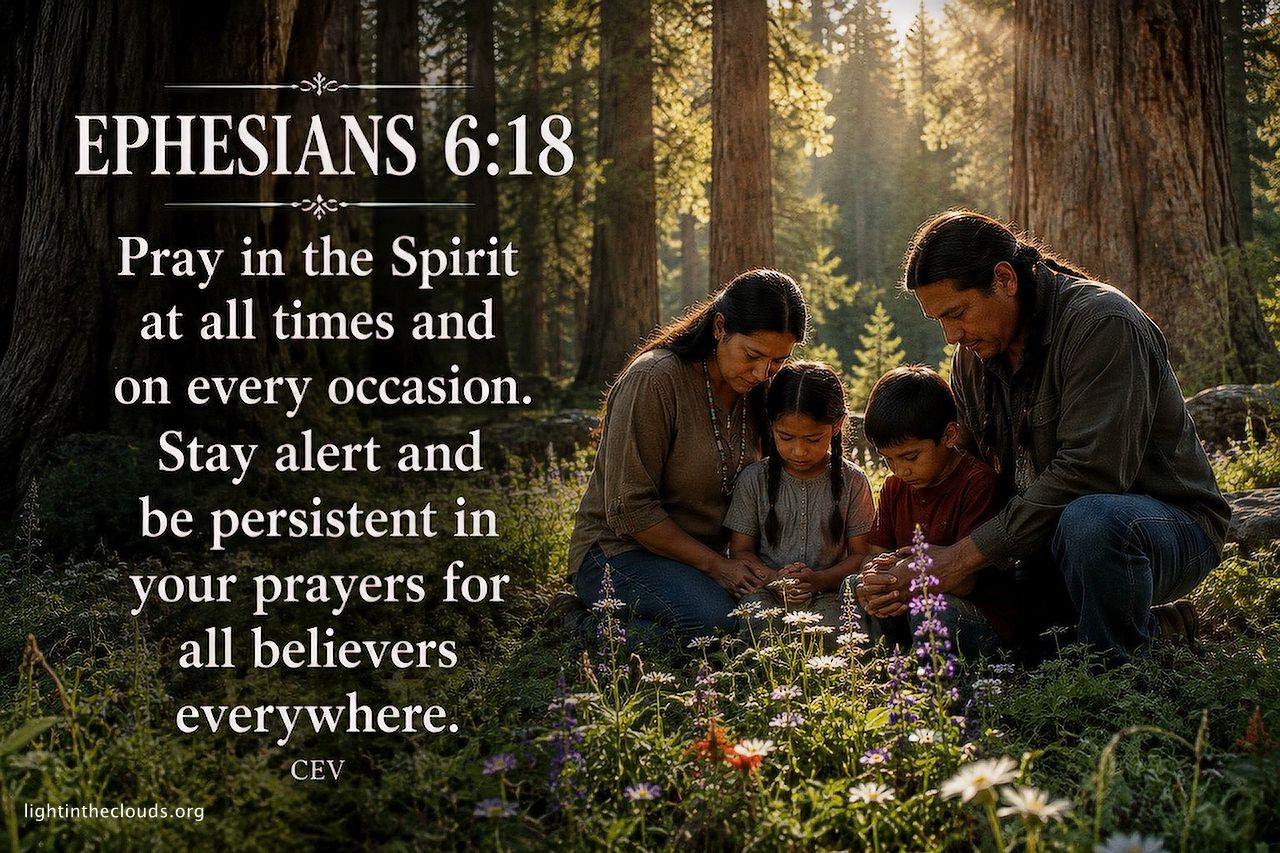
Eph 6:18
One of the biggest struggles in prayer is losing heart and quitting too soon. A person may pray for something for a few days, a few weeks, or even months. But when no clear answer seems to come, they often become discouraged and stop praying about it altogether.
This is a serious mistake. Many people start things but never finish them. That habit can damage every area of life. A person who constantly begins things without completing them develops a pattern of failure. Many beginnings with no completions. The same is true in prayer. If someone starts praying for something but gives up before the answer comes, they are building a habit of spiritual defeat.
When people lose heart, discouragement grows. Soon they begin to doubt whether prayer really works at all. That kind of unbelief weakens the prayer life and robs it of strength.
“To persist in prayer and not give up does not mean endless repetition or painfully long prayer sessions. Constant prayer means keeping our requests continually before God as we live for him day by day, believing he will answer. When we live by faith, we are not to give up. God may delay answering, but his delays always have good reasons. As we persist in prayer, we grow in character, faith, and hope.” (Life Application Notes re Luke 18:1)
Someone may ask, “How long should we keep praying? Is there a time when we should stop asking and simply leave the matter with God?” The answer is this: keep praying until the request is clearly answered, or until God gives deep peace and assurance in your heart that the answer is coming. Only then should we stop pleading. Prayer is not only speaking to God. Prayer is also listening to God. Prayer is also part of a spiritual battle against evil. God often works through the prayers of His people in that conflict. Because of this, God alone knows when the work of prayer is complete, not us. Sometimes we stop praying because we see the answer with our eyes. Other times we stop because God gives faith and assurance in the heart. That faith can become just as certain as physically seeing the answer, because it comes from God Himself.
As believers grow in prayer, they begin to recognize this quiet assurance from God. They learn when to rest in faith and when to continue praying until the answer comes. Remain at God’s promises until you meet Him there. God often comes to His people through the promises He has spoken in His Word.
“We must pray always, if we would grow in faith and experience. We are to be ‘instant in prayer,’ to ‘continue in prayer, and watch in the same with thanksgiving.’ Peter exhorts believers to be ‘sober, and watch unto prayer.’ Paul directs, ‘In every thing by prayer and supplication with thanksgiving let your requests be made known unto God.’ ‘But ye, beloved,’ says Jude, ‘praying in the Holy Ghost, keep yourselves in the love of God.’ Unceasing prayer is the unbroken union of the soul with God, so that life from God flows into our life; and from our life, purity and holiness flow back to God.” (SC 97)
As we are reminded in Scripture:
“Pray without ceasing.” (1 Thes 5:17).
Prayer should be continual and persistent, not something quickly abandoned when answers seem delayed.
“Cast not away therefore your confidence, which hath great recompence of reward. For ye have need of patience, that, after ye have done the will of God, ye might receive the promise.” (Heb 10:35-36)
This passage connects patience, endurance, faith, and receiving God’s promises, which is the main point for today’s message.
“When we know not what to pray for as we ought, we are to pray as did Jacob, ‘I will not let thee go, except thou bless me.’ This persevering prayer will bring the sure answer of blessing. God is too wise to err, and too good to withhold any good thing from them that walk uprightly. Then do not be afraid to trust Him, even though you do not see the immediate answer to your prayers.” (Our High Calling, 131)
In Luke 18:1-8, Jesus tells the parable of the persistent widow to teach one central lesson: God’s people should continue praying and never lose heart, even when answers seem delayed.
The passage begins by directly stating Christ’s purpose for the story: “people ought always to pray, and not to faint.” Before the parable even starts, Jesus reveals the meaning. Prayer is not meant to be occasional, weak, or easily discouraged. It is to be continual, persevering, and rooted in faith. Trusting in God’s “precious promises.” (2 Pet 1:4)
Jesus describes a judge who neither feared God nor cared about people. He was hard, selfish, and unmoved by justice. A widow repeatedly came to him asking for help against her adversary. In Bible times, widows were often among the weakest and most vulnerable people in society. She had no power, influence, or wealth. All she possessed was her persistence.
At first the judge ignored her. He had no compassion and no desire to help. Yet the widow kept returning again and again with the same request. Finally, the judge decided to act, not because he became righteous, but because her continual pleading troubled him. He said within himself that he would give her justice so she would stop wearing him down with her constant appeals.
Jesus then draws a sharp contrast between the unjust judge and God. The lesson is not that God is reluctant like the judge. Quite the opposite. If even a corrupt and uncaring judge eventually responds to persistence, how much more will a loving and righteous God respond to the cries of His people?
Christ says:
“Shall not God avenge his own elect, which cry day and night unto him, though he bear long with them?” Luke 18:7
The “elect” are God’s faithful people. They cry to Him “day and night,” showing continual dependence and trust. The delay mentioned in the passage does not mean God is indifferent. Rather, it reveals that faith is often developed through waiting. Prayer is not merely about obtaining things from God; it is part of a living relationship of trust, endurance, and surrender.
One important truth in this parable is that delayed answers are not the same as denied answers. Heaven may seem silent for a time, but silence is not abandonment. God sees the whole conflict between good and evil in ways human beings cannot. Sometimes He delays because He is working on circumstances, on other people, or on the heart of the one praying.
The widow also represents the condition of the believer in this world. God’s people often feel weak, oppressed, misunderstood, or surrounded by injustice. Yet Christ teaches them not to give up. Persistent prayer becomes an expression of faith. Every repeated prayer says, “I still believe God hears. I still believe He cares. I still believe He will act.”
This parable also shows that true prayer is more than casual words. The widow was earnest. She cared deeply about what she requested. In the same way, real intercession involves persistence because the matter truly matters to the heart. Shallow desires are quickly abandoned, but deep faith continues knocking at heaven’s door.
There is also an important connection between prayer and spiritual warfare. The widow had an “adversary.” Scripture often presents believers as living in conflict against the powers of evil. Persistent prayer becomes part of the believer’s resistance against discouragement, temptation, fear, and unbelief. This is why the enemy often tries to convince people to stop praying. If he can cause discouragement, he can weaken faith.
“The darkness of the evil one encloses those who neglect to pray. The whispered temptations of the enemy entice them to sin; and it is all because they do not make use of the privileges that God has given them in the divine appointment of prayer. Why should the sons and daughters of God be reluctant to pray, when prayer is the key in the hand of faith to unlock heaven’s storehouse, where are treasured the boundless resources of Omnipotence?” (SC 94)
Near the end of the parable, Jesus says something that is very striking:
“Nevertheless when the Son of man cometh, shall he find faith on the earth?” Luke 18:8
This reveals the deeper issue behind persistent prayer: faith. Continuing in prayer when answers are delayed is itself an act of faith. Anyone can pray once. Faith continues praying when nothing seems to change. Faith holds onto God’s character even when circumstances remain dark.
The parable of Luke 18:1-9 teaches that persistence in prayer is not trying to force God to care. Rather, persistent prayer keeps the heart connected to God until His will and answer are revealed. Prayer changes the believer as much as it changes circumstances. Through continued prayer, faith grows stronger, dependence deepens, patience develops, and the soul learns to trust God’s timing.
“Rejoicing in hope; patient in tribulation; continuing instant in prayer.” (Rom 12:12)
“Praying always with all prayer and supplication in the Spirit, and watching thereunto with all perseverance.” (Eph 6:18)
“The effectual fervent prayer of a righteous man availeth much.” (James 5:16)
Together these verses show that persistent prayer is not fanaticism or unbelief. It is one of the clearest expressions of enduring faith in God.
Ephesians 6:18 brings the entire “armor of God” passage to its strongest point by saying how every piece of spiritual armor must be connected to constant prayer. Paul writes, “Praying always with all prayer and supplication in the Spirit, and watching thereunto with all perseverance.” This verse teaches that the Christian life is not fought merely by human strength, knowledge, or discipline, but through continual dependence upon God. The phrase “praying always” does not mean a person must speak prayers every second of the day, but that the heart should remain in continual communion with God.
“All prayer and supplication” shows there are different kinds of prayer. Worship, confession, thanksgiving, urgent pleading, and intercession for others. It depends on who we are and what is going on with us at the time. To pray “in the Spirit” means prayer is guided by the Holy Spirit rather than by mere form or empty repetition. Here, Paul also connects prayer with spiritual alertness by saying believers must watch “with all perseverance,” meaning they are not to grow careless, sleepy, or discouraged in prayer. In the context of spiritual warfare, this verse reveals that prayer is not separate from the battle; it is the very atmosphere in which the battle is fought. Without persevering prayer, the armor becomes ineffective because the believer is attempting to fight spiritual conflicts without continual connection to the power and purpose of God.
2 Peter 1:4 declares that God has given believers “exceeding great and precious promises.” Prayer is one of the best way for people to lay hold of those promises and bring them into our daily experience. The promises of God are not merely comforting statements to admire from a distance; they are invitations to come boldly before God in faith. When a believer prays over God’s promises, they are not trying to persuade God to be willing, but are responding to what God has already declared Himself willing to do. Prayer becomes the hand of faith reaching up to claim what God has spoken. This is why Scripture repeatedly connects prayer and God’s promise together. God often chooses to wait for His people to ask, trust, and persevere before fulfilling what He has pledged. he who created us knows that prayer deepens our dependence upon Him and teaches the soul confidence in His Word. As one Christian author stated it:
“Every promise in the Word of God furnishes us with subject matter for prayer, presenting the pledged word of Jehovah as our assurance.” — Thoughts From the Mount of Blessing,133).
“And this is the confidence that we have in him, that, if we ask any thing according to his will, he hears us.” (John 5:14)
The promises of God reveal His will. Prayer gives the believer confidence to approach heaven on the basis of those promises. True prayer is therefore deeply connected to Scripture because faith itself is built upon hearing and believing God’s Word. When Christians pray the promises of God, they are agreeing with heaven rather than merely expressing human wishes. This is why persevering prayer grows stronger when rooted in God’s promises; the believer is no longer standing upon feelings or appearances, but upon the unchanging character of God Himself. Prayer anchored in the divine promises of God can endure delay, hardship, and silence because it trusts the One who spoke.
“Ask; then ask again, and keep asking. It is better far to ask than to receive without asking. The cloud of mercy is hanging over you, and God longs to have you claim His promises.” (Christ’s Object Lessons,145).
“God in His great mercy will give to all His believing people efficiency and power for His work and service, even as He gave power to Joseph, Samuel, Daniel, Timothy, and scores of others who availed themselves of His promises. They believed Him and relied upon Him, and this was their righteousness. Men and women have to move by faith. They have to press their way through the cloud of objections which Satan brings up to hinder their progress. When God sees that they will trust Him as their helper and their efficiency, they may pass safely through the great darkness…”.]{adapted from EGW, UL 206.4}
“Without the constant help which comes only from God, even those who are looked upon as the most eminent believers are in danger of falling into the sins which Satan has prepared to dishonor God. Bear in mind, all who claim to be believers, that it is only when you have that faith which works by love and purifies the soul, only when you have the joy of Christ’s salvation in the heart, that you are qualified to guide sinners to repentance and reformation. It is the genuine believer, who not only assents to the truth, but believes and practices the truth, who is not satisfied unless he has with him the presence of God, that is a power for good in the world.”{by EGW, UL 206.5}
Related Posts:
It’s Not on The Agenda! December 22, 2024 There was a man from Cyrene named Simon walking into…